
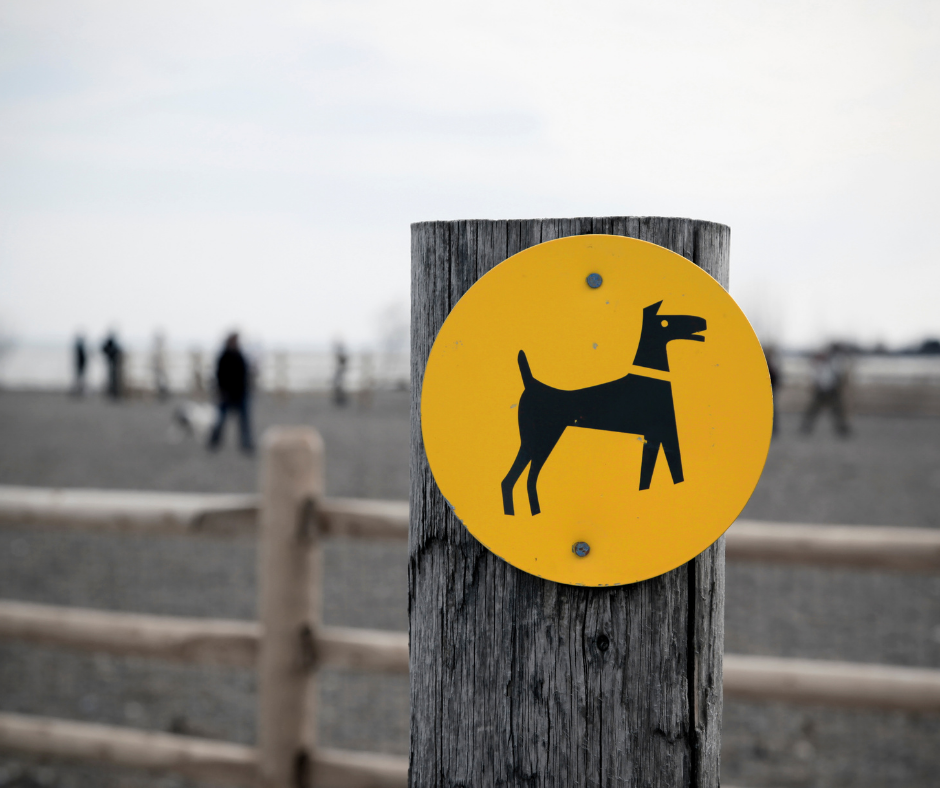
We advise you to avoid dog parks, only a small percentage of all dogs are suited to this environment and enjoy it. It’s more likely to cause unnecessary stress for your Greyhound and is highly unlikely to help them to learn appropriate social skills.
Most retired racing Greyhounds have not met a variety of different breeds of dogs during their critical developmental period (puppies under 4 months of age). Because of this it is not uncommon for them to be fearful, over excited, to have poor greeting manners, or to display predatory behaviour when meeting unfamiliar dogs.
Like people, dogs are individuals, and while some dogs are ‘disco dogs’ and want to party and hang out with every dog they meet, others are ‘library dogs’ and would rather catch up with a few close friends or hang out with their family. Most greyhounds are ‘library dogs’ – This is important to recognise, because even though you might enjoy socialising at the dog park, your hound might prefer to be anywhere else!
Incidents at off leash dog parks are common, not just with greyhounds. Some examples of some of the situations that may arise are:
The greyhound has become fearful/reactive around other dogs, creating more problems with anxiety both at home and when trying to venture out in the world.
Introducing Greyhounds to other breeds of dogs slowly, in a controlled manner to ensure they have positive experiences is a much more sensible way to help your Greyhound adjust to life as a pet.
The greyhound was attacked by another dog. If the dog is a small dog, and the Greyhound responds defensively it can cause life threating injuries to the small dog within seconds. If the dog is a large dog, a greyhounds thin skin and lack of strength means that almost always the Greyhound is worse off.
Most greyhounds have a very limited set of social skills when they leave a racing environment. In most cases they have only socialised with other Greyhounds. They may show behaviors which are considered completely inappropriate by other dogs, this can trigger other dogs to behave aggressively or defensively.
The greyhound chases a small dog. The excitement and a fast moving small dog is the perfect combination to trigger the “chase and grab” sequence that a Greyhound has been historically bred and trained for. Even a muzzled Greyhound can still cause a huge amount of damage both mentally and physically to a small dog if the Greyhound is allowed to chase. If this happens the local council will likely be involved and your Greyhound may end up with a menacing dog classification.
The most laid-back greyhounds (even those who live with cats and small dogs) can still be triggered into “chase and grab”.
Some options instead of off lead parks for exercise are:
Some options instead of off lead parks for learning how to interact with other dogs are:
If you must use a dog park please use with the utmost caution. Use a muzzle (protect your dog), go at low traffic times, and always keep your eyes on your greyhound and who is coming in the gate.
It is your job to keep your greyhound safe.